Wastewater Treatment
Environmental Equipment
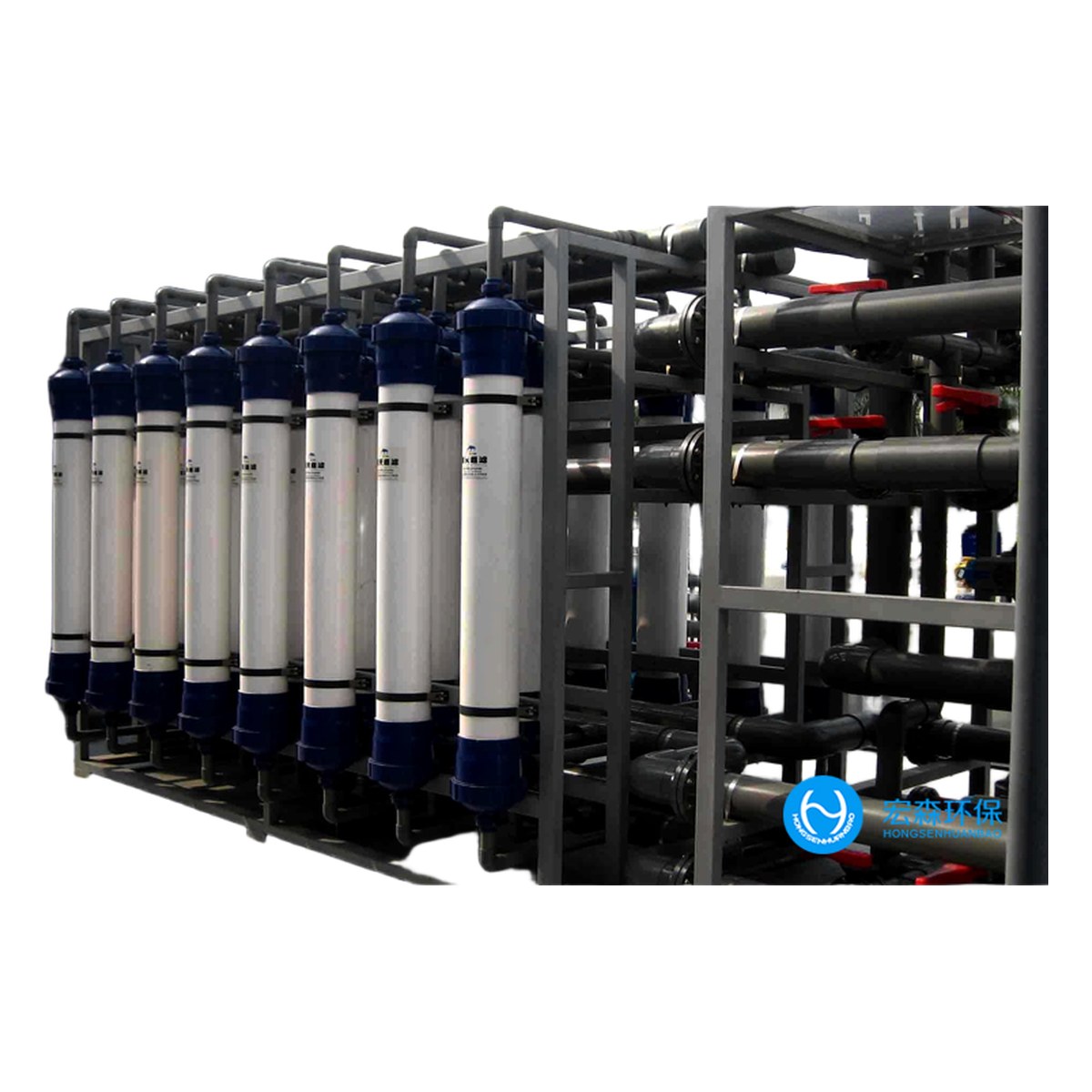
Wastewater Treatment Equipment
Professional Environmental Equipment Supplier
1. Product Overview
Wastewater treatment equipment comprises specialized systems for treating various types of industrial wastewater through physical, chemical, and biological processes. It is widely used in the chemical, pharmaceutical, electroplating, food, dyeing, and papermaking industries. Through the combination of multi-stage treatment processes, the equipment effectively removes suspended solids, organic compounds, heavy metal ions, and toxic substances from wastewater, ensuring that the effluent meets national discharge standards or reuse requirements. Wastewater treatment systems typically consist of three stages: pretreatment removes large suspended solids and oils; the main treatment stage degrades organic pollutants through biological or physicochemical processes; and advanced treatment further removes refractory organics and dissolved salts. With increasingly stringent environmental regulations and water scarcity, wastewater treatment equipment is evolving towards higher efficiency, energy conservation, intelligent control, and resource recovery. Zero liquid discharge and wastewater reuse have become industry trends. A properly selected and scientifically designed wastewater treatment system not only ensures compliant discharge but also significantly reduces operating costs, achieving a win-win outcome for both environmental and economic benefits.
2. Working Principle
The working principle of wastewater treatment equipment is based on the synergistic action of physical, chemical, and biological treatment methods. Physical treatment removes larger suspended solids and floating oils through bar screens, sedimentation, and dissolved air flotation, creating favorable conditions for subsequent processes. Chemical treatment destabilizes fine suspended particles and colloids by adding coagulants (such as PAC and PFS), forming larger flocs that are then separated by sedimentation or flotation; heavy metal ions are removed through chemical precipitation, and toxic substances are decomposed through oxidation-reduction reactions. Biological treatment is the core process where aerobic or anaerobic microorganisms convert organic pollutants into carbon dioxide, water, and new cell material during metabolism — aerobic processes use aeration to supply oxygen for degrading COD, BOD, and ammonia nitrogen, while anaerobic processes convert high-concentration organics into biogas through acidogenic and methanogenic bacteria under anoxic conditions. The advanced treatment stage employs membrane separation (ultrafiltration, nanofiltration, reverse osmosis) to retain dissolved salts and trace organics, or advanced oxidation (Fenton reagent, ozonation) to decompose refractory organics. The entire system is controlled by PLC/SCADA, with online monitoring instruments providing real-time feedback on key parameters including COD, pH, DO, and SS to ensure stable and reliable treatment performance.
3. System Classification
3.1 Classification by Treatment Method
| Type | Working Method | Target Pollutants | Removal Rate |
|---|---|---|---|
| Physicochemical | Coagulation + Sedimentation/DAF | SS / Heavy metals | 90~99% |
| Aerobic Biological | Activated sludge / Contact oxidation | COD/BOD/NH₃-N | 85~98% |
| Anaerobic Biological | UASB/IC reactor | High-concentration COD | 80~90% |
| Membrane Separation | UF/NF/RO | Dissolved salts | 95~99.9% |
| Advanced Oxidation | Fenton / Ozonation | Refractory organics | 70~95% |
3.2 Classification by Industry Wastewater
| Type | Major Pollutants | Recommended Process |
|---|---|---|
| Chemical Wastewater | COD/Heavy metals/Salts | Physicochemical + Biological + Membrane |
| Pharmaceutical Wastewater | COD/Antibiotics/NH₃-N | Anaerobic + Aerobic + Advanced |
| Electroplating Wastewater | Cr⁶⁺/Ni²⁺/Cu²⁺/CN⁻ | Chemical precipitation + Ion exchange |
| Food Wastewater | COD/BOD/SS/Oils | DAF + Aerobic biological |
4. Detailed Technical Parameters
4.1 Material of Product Contact Parts
| Component | Material | Surface Treatment | Characteristics |
|---|---|---|---|
| Reaction Tank / Equalization Tank | SS304/316L/FRP | Anti-corrosion lining | Corrosion-resistant, long service life |
| Piping System | PP/HDPE | Heat fusion joint | Acid/alkali resistant, good sealing |
| Water Pump | SS316L | Mechanical seal | Corrosion-resistant, stable operation |
| Valves | PVC/CPVC | Injection molded | Chemical resistant, flexible operation |
| Dosing Tank | PE/PP | Rotomolded one-piece | Corrosion-resistant, leak-free |
| Aeration System | EPDM membrane / Ceramic | Fine-bubble aeration | High O₂ utilization, anti-clogging |
4.2 Specification Parameters
| Parameter | Small Scale | Medium Scale | Large Scale |
|---|---|---|---|
| Treatment Capacity | 1~50 m³/d | 50~500 m³/d | 500~5000 m³/d |
| COD Removal Rate | 80~90% | 85~95% | 90~99% |
| BOD Removal Rate | 85~92% | 90~96% | 92~99% |
| SS Removal Rate | 90~95% | 93~98% | 95~99% |
| Installed Power | 5~30 kW | 30~80 kW | 80~200 kW |
| Footprint | 20~80 m² | 80~200 m² | 200~500 m² |
| Operating Cost | 3~8 CNY/m³ | 2~6 CNY/m³ | 1.5~4 CNY/m³ |
| Control System | PLC + HMI | PLC + SCADA | DCS + SCADA |
| Effluent Standard | GB 8978 Class IB | GB 8978 Class IA | GB 8978 Class IA / Reuse |
4.3 Performance Indicators
| Indicator | Parameter Value | Test Conditions |
|---|---|---|
| Compliance Rate | ≥98% | Continuous 30-day operation |
| Sludge Reduction Rate | 30~50% | Compared with conventional process |
| MTBF | ≥5000 hours | Normal operating conditions |
| Noise Level | ≤75 dB(A) | Measured at 1m from equipment |
| System Recovery (Membrane) | 60~80% | Design conditions |
| Salt Rejection (RO) | ≥97% | Standard test conditions |
| Equipment Availability | ≥95% | Annual statistics |
4.4 Electrical Parameters
| Item | Parameter |
|---|---|
| Power Supply | 3P AC380V±10%, 50Hz |
| Control System | Siemens S7-1200 / Mitsubishi FX5U PLC |
| Monitoring Platform | SCADA supervisory control system |
| Online Monitoring | COD/pH/DO/SS online analyzers |
| Dosing Control | PID auto-regulation + metering pump |
| VFD | ABB/Danfoss variable frequency drive |
| Safety Protection | E-stop, overload protection, leakage protection |
| Communication | Ethernet, RS485, Modbus TCP/RTU |
Note: Electrical component brands can be substituted with equivalent alternatives upon request.
5. Core Component Selection
| Component | Recommended Brand | Model/Spec | Function |
|---|---|---|---|
| Reaction Tank | SS304/316L/FRP | Custom | Wastewater reaction & sedimentation |
| Dosing System | SEKO/ProMinent | Metering pump + dosing tank | Precise coagulant/flocculant dosing |
| Aeration System | Jager | Fine-bubble disc/tube diffuser | Dissolved oxygen supply for aerobic tank |
| Membrane Module | Dow/Toray | UF/NF/RO membrane elements | Advanced treatment & desalination |
| Sludge Dewatering | Andritz | Belt/Plate/Centrifuge | Sludge thickening & dewatering |
| Online Analyzer | Yokogawa/E+H | COD/pH/DO/SS | Real-time water quality monitoring |
| Water Pump | Grundfos/Kaiquan | SS corrosion-resistant pump | Wastewater transfer & circulation |
| Blower | AERZEN/Baishide | Roots/Centrifugal blower | Aeration air supply |
Note: Core component brands can be configured per customer specification with prior confirmation.
6. Typical Application Fields
Chemical Industry: Chemical wastewater contains large amounts of organic solvents, acid/alkali waste, and heavy metal ions. A combined process of physicochemical pretreatment + biological treatment + advanced treatment ensures COD, heavy metals and other indicators meet discharge standards.
Pharmaceutical Industry: Pharmaceutical wastewater has complex compositions containing antibiotics, organic solvents, and high ammonia nitrogen. Recommended process: anaerobic UASB/IC + aerobic + advanced oxidation to effectively degrade antibiotic residues and organic pollutants.
Electroplating Industry: Electroplating wastewater contains high concentrations of Cr⁶⁺, Ni²⁺, Cu²⁺, CN⁻. Separate collection, cyanide destruction + chemical precipitation + ion exchange recovery achieves compliant discharge and resource recovery.
Food Industry: Food processing wastewater has high COD, BOD, SS, and oil content. DAF pretreatment + aerobic biological treatment provides low operating cost and stable treatment performance.
Dyeing Industry: Dyeing wastewater has high color and refractory organics. Coagulation decolorization + anaerobic hydrolysis + aerobic + activated carbon adsorption effectively removes color and COD.
Paper Industry: Paper black liquor and mid-stage wastewater have extremely high organic content. Alkali recovery + biological treatment + advanced treatment achieves compliant discharge and partial reuse.
7 Design Standards & Certification
7. Design Standards and Certifications
| Standard Category | Standard No. | Standard Name |
|---|---|---|
| China | GB 8978-1996 | Integrated Wastewater Discharge Standard |
| China | GB 21904-2008 | Discharge Standard for Chemical Synthesis Pharmaceutical Industry |
| China | GB 21900-2008 | Discharge Standard for Electroplating Pollutants |
| International | ISO 9001:2015 | Quality Management System Requirements |
| International | ISO 14001:2015 | Environmental Management System Requirements |
| China | GB/T 31962-2015 | Water Quality for Discharge into Urban Sewers |
| China | HJ 2006-2010 | Technical Specification for Coagulation-Flocculation Wastewater Treatment |
| Industry | CE | EU Machinery Directive 2006/42/EC |
8. Customization Options
| Option | Description | Application Scenario |
|---|---|---|
| Zero Liquid Discharge | RO concentrate + evaporation/crystallization for ZLD | Water-scarce / Extremely strict environmental requirements |
| Biogas Recovery | Anaerobic biogas collection for power/heat generation | High-concentration organic wastewater |
| Heavy Metal Recovery | Ion exchange / Electrolysis for precious metal recovery | Electroplating / Electronics wastewater |
| Reclaimed Water Reuse | UF + RO advanced treatment for reuse | Industrial cooling water makeup |
| Remote O&M Platform | IoT remote monitoring & diagnostics | Multi-site / Remote management |
| Automated Dosing Optimization | AI intelligent dosing control system | Reduce chemical consumption / Improve stability |
| Explosion-Proof Configuration | ExdIIBT4 explosion-proof rating | Chemical / Flammable environments |
| Mobile Treatment Unit | Containerized integrated design | Temporary / Emergency wastewater treatment |
9. Warranty Terms
| Warranty Item | Warranty Content |
|---|---|
| Machine Warranty Period | 12 months from acceptance date |
| Core Component Warranty | Pumps/blowers/membrane modules: 24 months |
| Wearable Parts Warranty | Aeration membranes/dosing tubing/filter bags: 6 months |
| Software Upgrade | Free upgrade during warranty period |
| Technical Training | Free training for 2~3 operators during installation |
| After-Sales Response | Phone response within 2 hours, on-site within 24~48 hours |
| Spare Parts Supply | Guaranteed for 5 years after production discontinuation |
Note: Free repair and replacement during warranty for quality-related failures; damage caused by human factors or force majeure is excluded.
10. Packaging & Delivery
| Item | Description |
|---|---|
| Packaging Method | Machine wrapped in moisture-proof film + wooden crate |
| Crate Specification | Export-grade plywood crate (fumigation-free) |
| Moisture Protection | Desiccant + vacuum aluminum foil bag |
| Shock Protection | EPE foam + bubble wrap cushioning |
| Lifting Method | 4-point top lifting |
| Transport Method | Truck/railway/ocean shipping |
Lead time: 60~90 working days after contract signing and deposit received. Installation & commissioning: Seller dispatches technicians for on-site installation, approximately 10~15 working days.
11. Inquiry Information Required
To receive an accurate quotation, please provide the following information:
Wastewater type and source (chemical/pharmaceutical/electroplating/food, etc.)
Design treatment capacity (m³/d) and peak hourly flow
Influent quality parameters (COD/BOD/SS/pH/NH₃-N/heavy metals, etc.)
Discharge standard requirements (national standard class or special limits)
Whether reclaimed water reuse is required (reuse rate)
Site conditions (area/height/power/water supply)
Existing treatment facilities (retrofit/new build)
Operating shift schedule and staffing
Budget range and ROI requirements
Other special customization requirements